繁体中文
繁体中文 简体中文
简体中文 Deutsch

Casement Window Systems: Types, Design & How They're Made
Everything you need to know about casement window systems — from choosing the right casement window types to understanding modern window manufacturing processes.
01
What Is a Casement Window System?When it comes to selecting windows for a home or commercial project, few options match the versatility of a well-designed casement window system. Hinged on one side and opening outward with a simple crank or push mechanism, casement windows deliver superior ventilation, excellent energy efficiency, and clean aesthetics that suit both traditional and contemporary architecture.
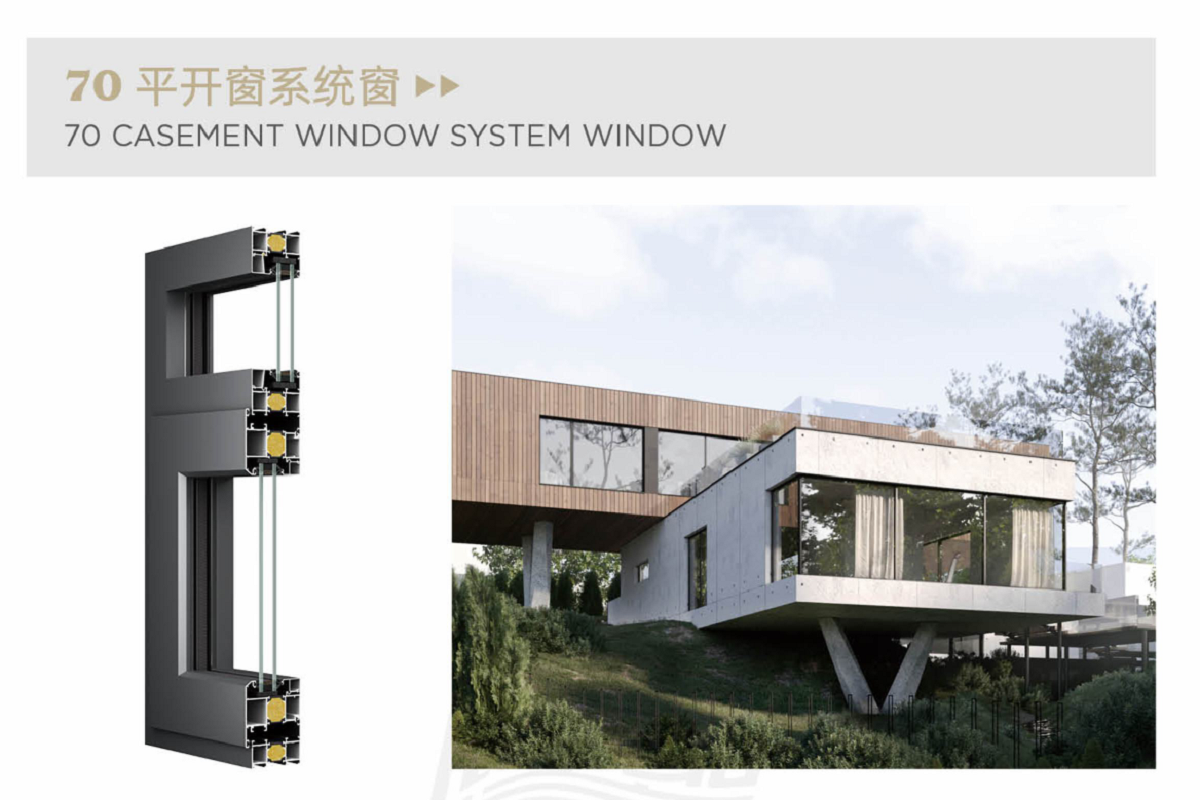
A casement window system consists of one or more sashes hinged on a vertical edge, allowing the window to swing open like a door. Unlike sliding or double-hung windows, a casement sash presses firmly against the frame when locked, creating an airtight seal that significantly reduces air infiltration and heat loss.
This sealing advantage makes casement window systems a preferred choice in energy-conscious building projects. When paired with double or triple glazing and thermally broken frames, a quality casement window system can achieve U-values well below 1.0 W/m²K — meeting Passivhaus and net-zero building standards.
"A casement window system consistently outperforms sliding alternatives in air-tightness testing — a critical factor for energy-efficient homes."
02Casement Window Types: Which Is Right for You?
Understanding the different casement window types is the first step in any window specification. Each type suits different architectural needs, ventilation goals, and design styles.
Type 03
03The Single Casement Window: Specifications & Uses
The single casement window is the most widely installed unit in any casement window system. It features one operable sash hinged on either the left or right side, with a locking handle on the opposite edge. Standard single casement window widths run from 400 mm to 900 mm, with heights from 600 mm to 1800 mm — though custom window manufacturing allows virtually any size.
A single casement window suits kitchens and bathrooms where wall space is limited, bedrooms where clean sightlines and fresh air matter, and commercial interiors where architects specify slim-profile casement window design for a modern aesthetic. The single casement window also remains the easiest unit to clean, as the entire sash swings outward for full glass access from inside.
↑Back to contents04Casement Window Design: Frame Materials Compared
Modern casement window design gives specifiers a wide choice of frame materials. Each has distinct performance, maintenance, and aesthetic characteristics that should guide your selection.
| Material | Thermal Performance | Lifespan | Best For |
|---|---|---|---|
| uPVC | Excellent | 25–40 yrs | Budget-conscious residential builds |
| Aluminum | Good (thermal break) | 40–60 yrs | Contemporary casement window design |
| Timber | Naturally insulating | 30+ yrs | Heritage and traditional architecture |
| Composite | Excellent | 50+ yrs | Premium low-maintenance applications |
Aluminum casement window design is especially popular in commercial projects for its slim sightlines and powder-coat finish options. Composite frames — typically timber-core with aluminum cladding — represent the pinnacle of modern casement window design, combining warmth with weather resistance.
↑Back to contents05Window Manufacturing: How Casement Windows Are Produced
Quality window manufacturing is what separates a high-performing casement window system from a mediocre one. The process begins with frame fabrication: uPVC profiles are extruded and steel-reinforced; aluminum profiles are precision-extruded and thermally broken; timber frames are machined from engineered lumber.
Next, double or triple glazed units are set into the sash using structural tape and silicone, then secured with glazing beads. Hardware — hinges, multipoint espagnolette locks, and handles — is fitted and adjusted to tight tolerances. Leading window manufacturing facilities then test each casement window system for air permeability, water tightness, and wind resistance against EN 14351 (Europe) or AAMA/WDMA standards (North America) before dispatch.
When evaluating a supplier, ask for test certificates, U-value calculations, and lead-time data. Reputable window manufacturing partners will provide full documentation and offer bespoke casement window design services for non-standard projects.
↑Back to contents06Conclusion
Whether you're specifying a simple single casement window for a bathroom renovation or designing a full casement window system for a new-build, understanding your options across casement window types, casement window design, and window manufacturing processes puts you in control. Prioritize air-tightness, frame quality, and glazing performance — and you'll have windows that perform beautifully for decades.
↑Back to contents